

Drug Resistant Cell Line
Drug Resistant Cell Line Overview
Filter by Host
Filter by Category
Filter by Generation Method
More Products Related to Drug Resistant Cell Line

The fluorescent protein (GFP) gene was cloned, and the availability of fluorescent tags has significantly expanded. A major advantage of fluorescence-labeled cell lines is their non-toxic nature, making them suitable for use in living cells.

Tumors and their various products can reshape the tumor microenvironment (TME), suppressing immune cells within the TME. Kyinno offers a range of immune molecule cell lines, encompassing various immune molecules such as PD1, IL2RB, IL6 and more.
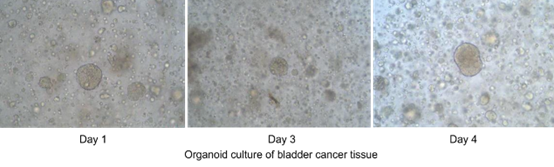
Since the emergence of CRISPR gene editing technology in 2012, it has become the preferred choice of scientists worldwide due to its simplicity, specificity, and high efficiency. In 2020, researchers working on the CRISPR system were awarded the Nobel Prize in Chemistry.
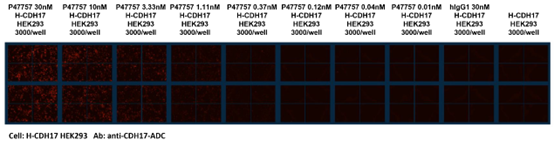
Reporter cell lines are extensively utilized in the study of gene expression regulation, signal transduction pathways, receptor-ligand interactions, and enable researchers to track intracellular signal transduction. They can be employed to monitor signal transduction induced by small molecules or cytokines,

Kinases play crucial roles in various complex cellular pathways, including cell metabolism, cell signaling, and cell transport, making them vital to human physiology. Kyinno offers more than 850 Ba/F3 or human kinase cell lines, encompassing various signaling pathways.

The resistance of tumor cells to chemotherapeutic drugs stands as one of the most critical factors contributing to the failure of tumor treatment, representing the foremost challenge in current tumor therapy. Kyinno’s drug-resistant cell models exhibit greater stability in resistance, making them easier to maintain in culture for ongoing research projects.

Kyinno offers a range of tumor antigen cell lines covering various signaling pathways, including epidermal growth factor receptor (EGFR), vascular endothelial growth factor receptor (VEGFR), fibroblast growth factor receptor (FGFR), erb-b2 receptor tyrosine kinase 2 (ERBB2), HLA, GPRC5D, ROR1, CLDN18.2, GPC3, Siglec15, DLL3, LAG3, B7H3, B7H4, B7H6, FAP, and more.
