

PBMC Humanized Mouse Model
In Vivo Services
PBMC Humanized Mouse Model Overview
Peripheral Blood Mononuclear Cell (PBMC) humanized mice serve as an effective model for tumor immunology research. T cells within human PBMCs proliferate in response to stimulation by mouse xenogeneic antigens, while other cell types maintain low levels or undergo premature cell death. The predominant human cells in PBMC humanized mice are T cells, making them suitable for various studies requiring T cell immune responses.
KYINNO has established a stable PBMC humanization model and screened a library of Peripheral Blood Mononuclear Cell donors. These selected donors exhibit stable humanization levels, exhibit mild GVHD symptoms, and provide a drug administration window of approximately 6 weeks. These characteristics render them suitable for evaluating the efficacy of various antibody drugs targeting T cells.

Workflow for PBMC Humanized Mouse Studies
- Donor Qualification and PBMC Selection
PBMCs are carefully selected from pre-screened donors to ensure stable humanization, and reduced GVHD risk. - Humanization and T Cell Reconstitution
Mice are engrafted with donor PBMCs, leading to the establishment of a functional human immune system and T cell population. - Tumor Engraftment
Tumor cells, including xenograft models such as patient-derived xenografts (PDX tumors), are introduced into the mice following T cell reconstitution. - Drug Administration and Evaluation
Therapeutic agents, including antibody-drug conjugates, are administered within a six-week window before significant graft versus host disease progression. - Endpoints
Study endpoints include tumor response, immune profile evaluation, effector and memory T cell function, immune-related drug delivery systems tracking, clinical trials biomarker assessments, and toxicity analysis. Continuous monitoring for GVHD is essential to maintain study integrity.
Key Features and Advantages
The PBMC humanized mouse model offers several distinct benefits that make it a preferred platform for immunotherapeutic modulation and translational cancer research:
- T cell-driven immune response model
This model replicates human T cell-mediated immune responses, supporting the evaluation of therapies that depend on T lymphocytes activation, including CAR T cells and PD-L1 monoclonal antibody studies. - Validated donor pool with consistent humanization profiles
Kyinno Bio’s pre-screened PBMC donor library ensures stable and reproducible humanization, improving study reliability across immune system experiments. - Mild GVHD phenotype extends drug evaluation window
The controlled engraftment process using qualified PBMCs allows extended evaluation periods for cancer therapy interventions before GVHD progression. - Versatility for T cell-targeting antibody therapies
Suitable for assessing CAR-T cell therapy, immune checkpoint inhibitors, monoclonal antibodies, and therapies targeting natural killer cells.
Technical Specifications & Customization Options
Kyinno Bio provides flexible study designs with access to a validated PBMC donor pool. T cell reconstitution is consistent across models, offering reliable immune response measurements. Tumor types, including xenograft cells and patient-derived xenografts, can be customized to meet specific research needs. Immune profiling services such as flow cytometry and immunohistochemistry are available for detailed immune system analysis.
Applications of PBMC Humanized Mice in Oncology Research
The PBMC humanized mouse model is a valuable tool for:
- Preclinical testing of monoclonal antibodies, antibody-drug conjugates, and CAR T cells targeting T cells.
- Studying T cell activation, cytokine-release syndrome, and cytokine imbalance mechanisms.
- Evaluating the efficacy of immune checkpoint inhibitors and human immuno-oncology agents.
- Monitoring pharmacodynamic responses and biomarkers during clinical trials.
- Supporting studies on immunotherapeutic modulation and translational cancer research.
Get Started with PBMC Humanized Mouse Model Studies
Kyinno Bio’s PBMC humanized mouse model provides a reliable platform for advancing immune-oncology research. Contact our team to discuss your study requirements and explore how this model can support your drug development goals. Book a free consultation today to get started.
PBMC Humanized Models FAQs
- What is the typical timeline for T cell reconstitution?
T cell reconstitution typically occurs within 1 to 2 weeks post-engraftment, ensuring rapid immune system establishment. - Can PBMC humanized mice be used for both solid and hematologic tumors?
Yes, this model supports studies with solid tumors, hematologic malignancies, and xenograft models. - What endpoints can be evaluated in PBMC humanized mouse studies?
Key endpoints include tumor growth, immune response, immune profile, cytokine release, toxicity, and effector and memory T cell function. - How long is the effective study window before GVHD symptoms escalate?
The effective study window generally spans around six weeks, depending on donor selection and engraftment rate. - Can this model be used to study immune checkpoint inhibitor therapies?
Yes, the PBMC humanized mouse model is well-suited for evaluating immune checkpoint inhibitors and CAR-T cell therapy. - What types of tumors can be co-engrafted with PBMC humanized mice?
The model accommodates both solid tumors and patient-derived xenografts, including PDX tumors. - How are PBMC donors selected for study inclusion?
Donors are selected based on donor qualification, stable humanization profiles, and minimized graft versus host disease risk. - What immune profiling techniques are available for this model?
Flow cytometry, immunohistochemistry, and cytokine profiling are available to track immune response and immune-related drug delivery systems. - How is GVHD monitored and managed during the study?
Mice are routinely monitored for GVHD signs, and management protocols are applied to preserve study timelines and data quality. - Can cytokine release and immune cell activation be tracked in this model?
Yes, the model supports detailed tracking of cytokine release, NK cells, B cells, dendritic cells, and natural killer cell activity throughout the study.
All In Vivo Services

Ba/F3 Xenograft focuses on protein kinases, a cornerstone in cancer research. With FDA’s acknowledgment of kinase drugs, it offers important oncology insights aiding for deeper understanding.
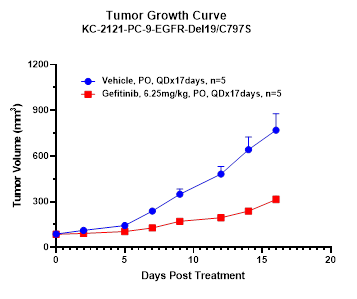
Gene-edited xenografts utilizes tools like CRISPR/Cas9, and offer precise modifications to tumor cell genomes. This significantly expands the horizons and potential of modern oncological research methodologies and insights.

The Luciferase tumor model provides insights into tumor growth and immune dynamics. Using bioluminescence, it provides real-time insights. This innovative approach deepens comprehension, advancing cancer research and promoting novel therapeutic discoveries.
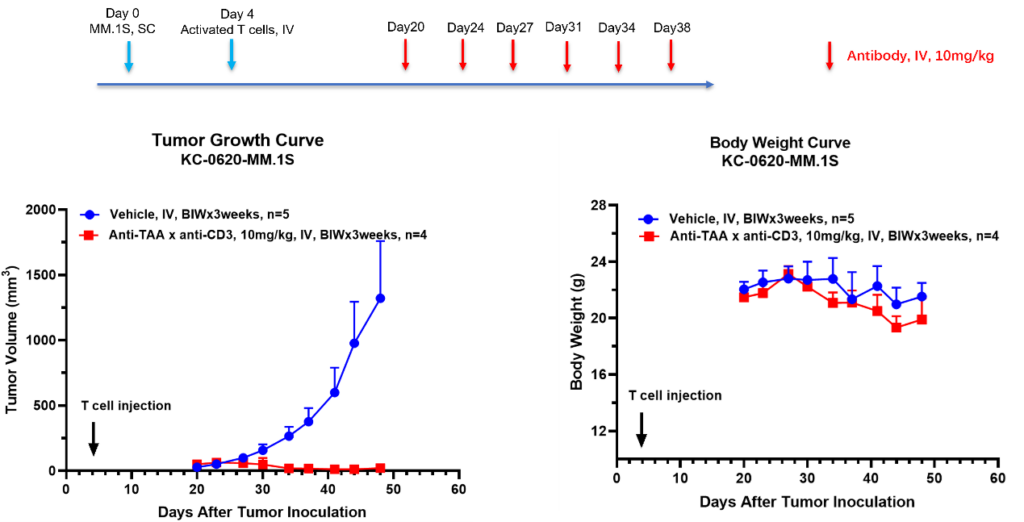
PBMC Humanized Mouse Model incorporates human T cells’ behavior, enabling detailed tumor immunology analysis. It presents a unique avenue for in-depth exploration, enriching research and offering a comprehensive study platform.
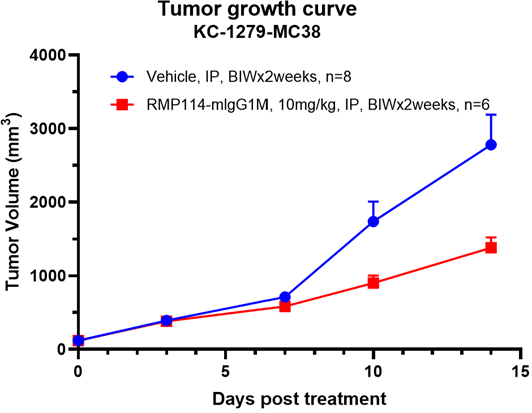
The Syngeneic Model leverages the uses of mouse-derived tumor tissues, placed into genetically similar hosts, contributing to consistency and depth in cancer studies. Ensures a genuine environment for cancer study.
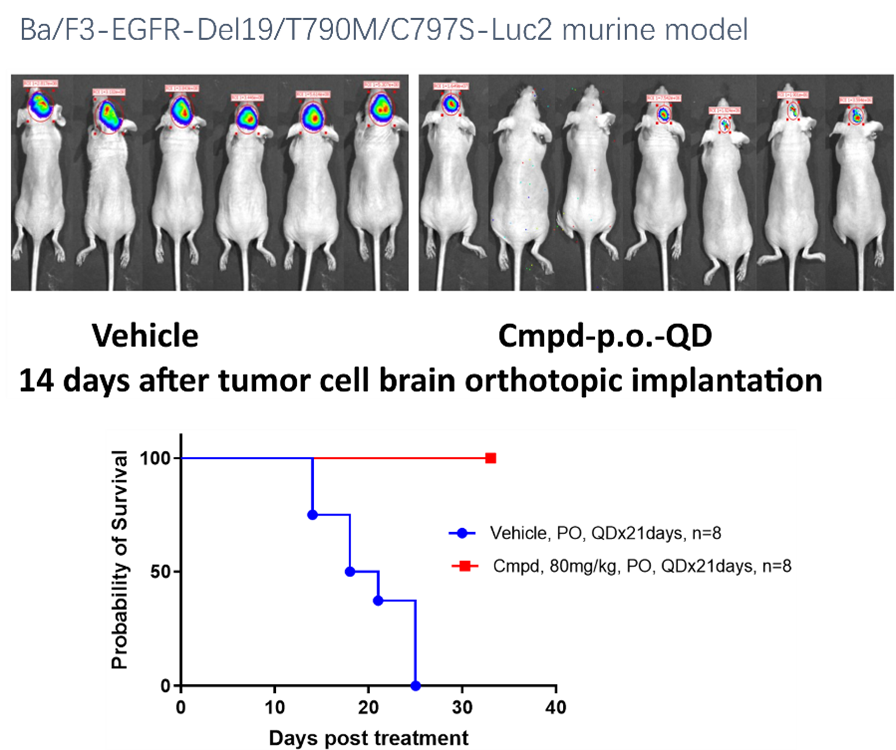
The Orthotopic tumor models are a leading choice for evaluating anti-cancer drug efficacy, supporting clinical trials, and understanding potential treatments. Its established method is a key component in therapeutic research.
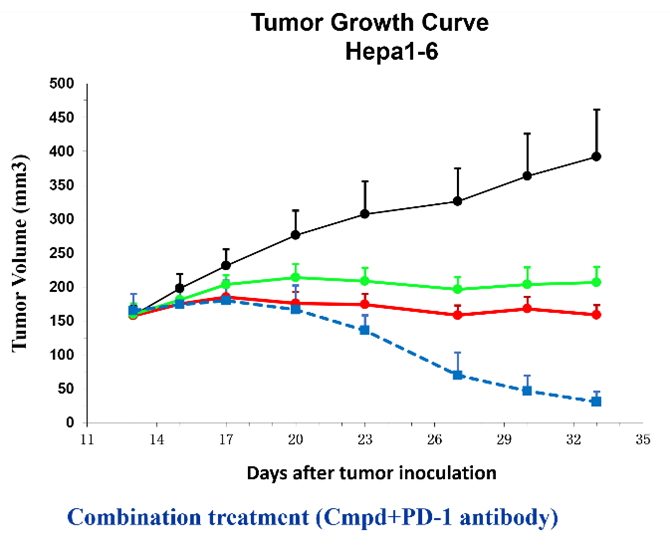
The subcutaneous tumor model is one of the most commonly used in vivo evaluation systems for assessing the efficacy of novel anti-cancer drugs. Typically, tumor …
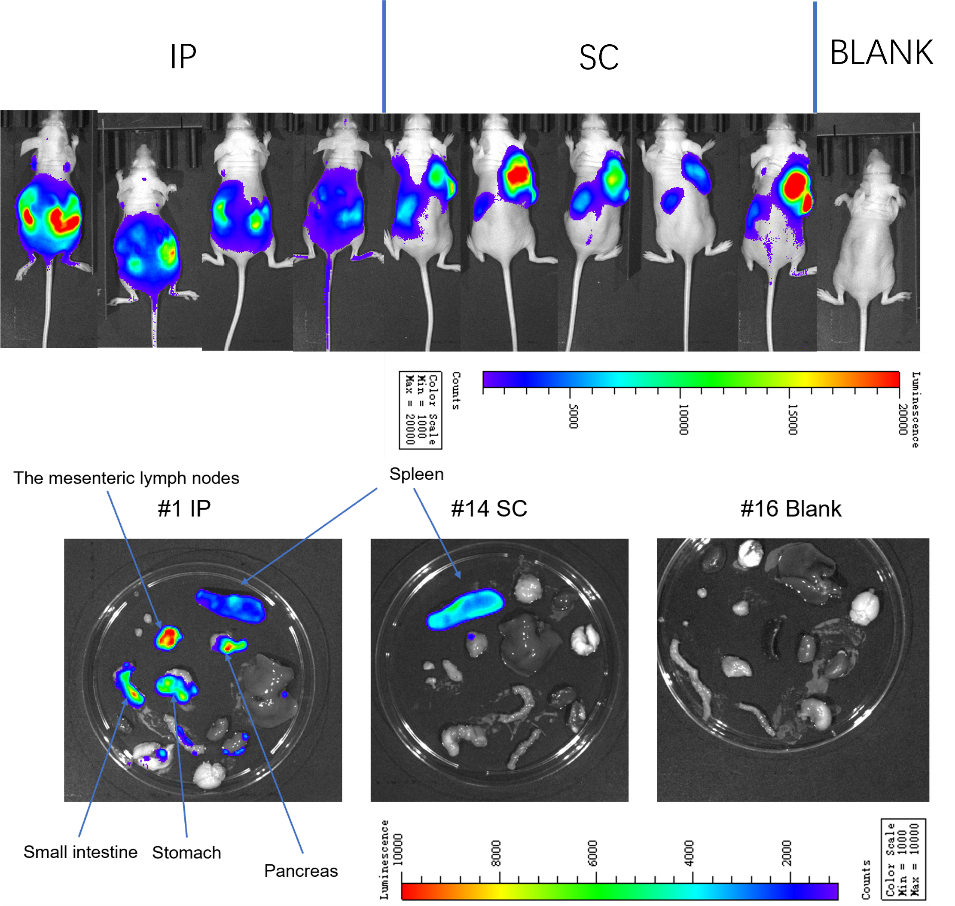
In cancer research, metastasis models are critical tools that help us understand how tumors migrate from their original location to other parts of the body. Ba/F3 cells are a common type of tumor cell, especially in mouse models, where they exhibit metastasis.
