In Vivo Biology Services
In Vivo Biology Services Overview
Our comprehensive in vivo services include Ba/F3 Xenografts, CDX Models, Syngeneic Models, Gene-Editing Xenografts, PBMC Humanized Mouse Models, Luciferase Tumor Models, Orthotopic Models, and Subcutaneous Models. These models cater to the diverse needs of cancer research and tumor immunology studies. Whether you’re exploring kinase inhibitors, gene editing, or tumor growth, we offer innovative solutions to accelerate your research and drive groundbreaking advancements in cancer treatment and beyond. Explore our services and embark on your research journey with confidence.
In Vivo Biology Screening Services Workflow
To ensure high-quality and reproducible in vivo studies, our platform follows a structured process:
Model Selection & Study Design – Identifying the most appropriate in vivo model for the research objectives.
Tumor Implantation & Monitoring – Establishing xenograft, syngeneic, or humanized models with precise growth tracking.
Therapeutic Intervention & Dosing – Testing drug efficacy and pharmacodynamic responses in vivo.
Bioluminescence & Imaging Studies – Utilizing non-invasive imaging for real-time tumor analysis.
Comprehensive Data Analysis & Reporting – Delivering validated study results with statistical interpretation.
This process ensures that each study is tailored for accurate, reproducible, and clinically relevant findings.
Advantages of Our In Vivo Biology Services
Our in vivo platforms provide robust and reliable preclinical models for drug development and translational research. Key advantages include:
✔ Comprehensive Tumor & Immune-Oncology Models – Supporting diverse research applications.
✔ High-Resolution Imaging & Real-Time Tracking – Enhancing data accuracy with bioluminescence & fluorescence imaging.
✔ Customizable Study Designs – Adapting models for kinase inhibitors, immunotherapies, and gene-editing research.
✔ Validated & Reproducible Data – Ensuring scientific rigor through well-characterized models.
✔ Seamless Integration with Drug Development Pipelines – Providing scalable, translational research solutions.
Our services bridge preclinical testing and clinical translation, ensuring high-quality, decision-ready data for pharmaceutical and biotech companies.
Expert Support Throughout Your Research
Our scientific team provides comprehensive support throughout every stage of your in vivo study:
📌 Model Selection & Study Planning – Tailoring experiments to meet research objectives.
📌 Data Collection & Quality Control – Ensuring accurate and reproducible results.
📌 Real-Time Monitoring & Imaging Support – Providing advanced tumor tracking solutions.
📌 Regulatory Support & IND Strategy – Assisting with preclinical data generation for clinical applications.
We work closely with research teams to ensure the highest quality results, facilitating successful IND applications and translational research outcomes.
How to Get Started with Kyinno Bio
Advance your preclinical research with Kyinno Bio’s in vivo biology services. Our comprehensive in vivo models support oncology, immunology, and drug efficacy studies with high precision and reproducibility.
We provide customizable in vivo study designs, ensuring high-quality, data-driven insights for drug development. Contact us today to explore how our in vivo services can support your research.
All In Vivo Services
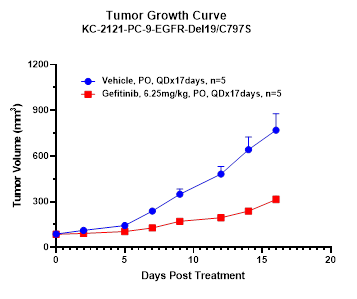
Ba/F3 Xenograft focuses on protein kinases, a cornerstone in cancer research. With FDA’s acknowledgment of kinase drugs, it offers important oncology insights aiding for deeper understanding.
Gene-edited xenografts utilizes tools like CRISPR/Cas9, and offer precise modifications to tumor cell genomes. This significantly expands the horizons and potential of modern oncological research methodologies and insights.
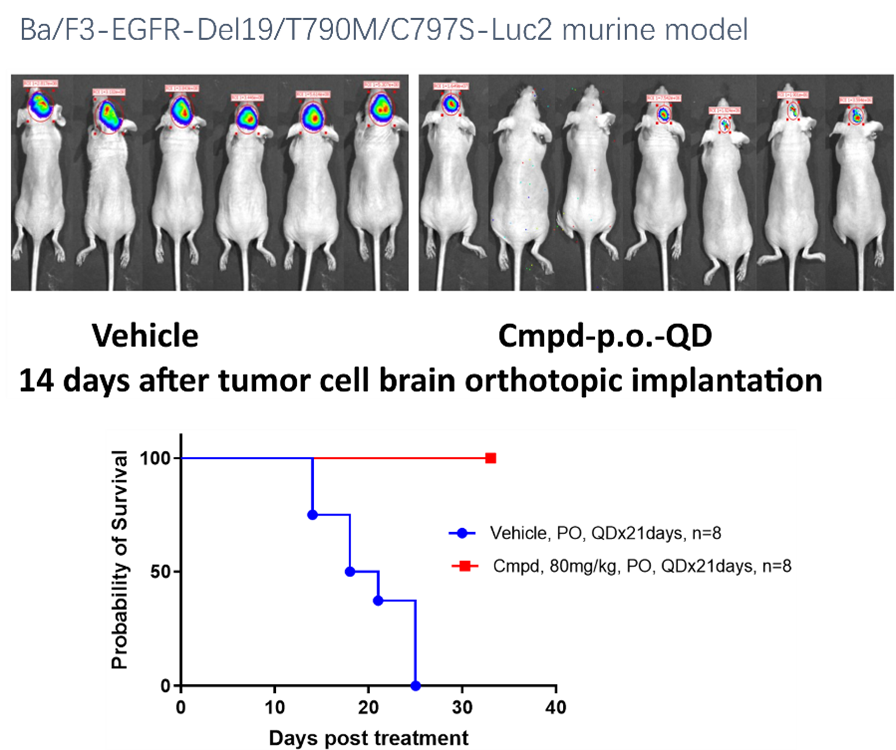
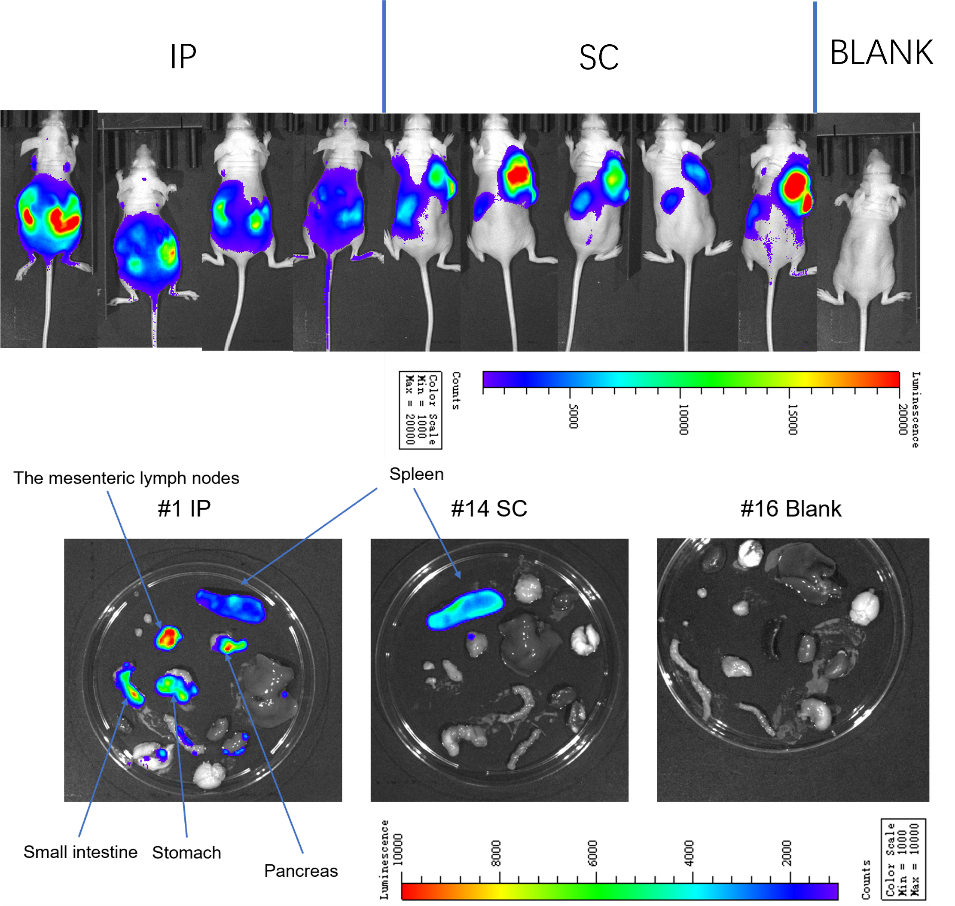
The Luciferase tumor model provides insights into tumor growth and immune dynamics. Using bioluminescence, it provides real-time insights. This innovative approach deepens comprehension, advancing cancer research and promoting novel therapeutic discoveries.
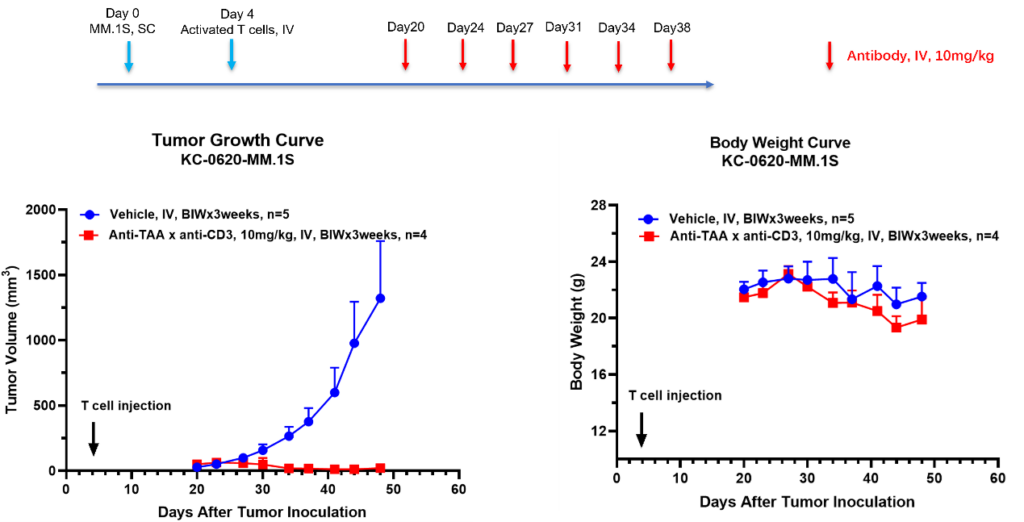
PBMC Humanized Mouse Model incorporates human T cells’ behavior, enabling detailed tumor immunology analysis. It presents a unique avenue for in-depth exploration, enriching research and offering a comprehensive study platform.
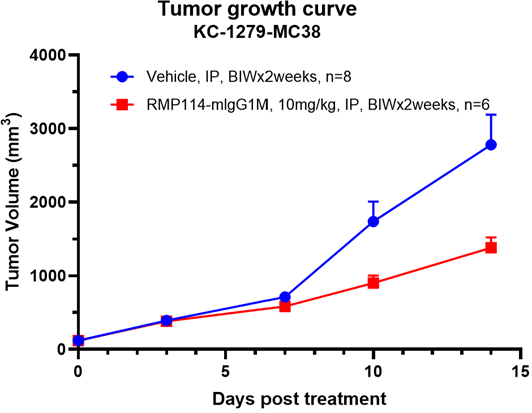
The Syngeneic Model leverages the uses of mouse-derived tumor tissues, placed into genetically similar hosts, contributing to consistency and depth in cancer studies. Ensures a genuine environment for cancer study.
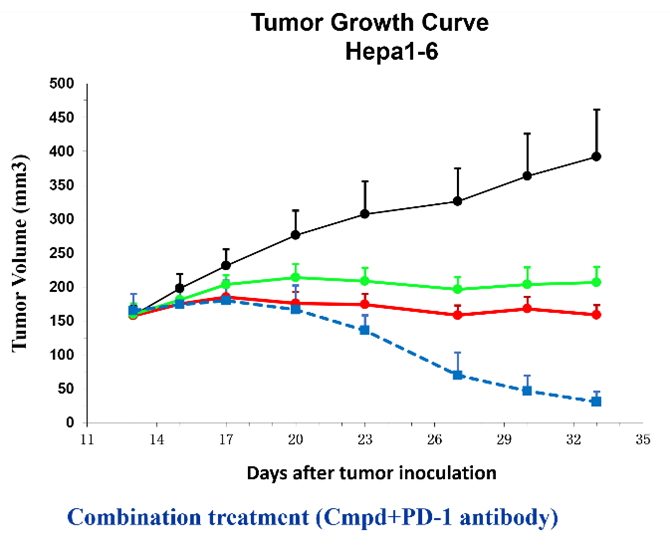
The Orthotopic tumor models are a leading choice for evaluating anti-cancer drug efficacy, supporting clinical trials, and understanding potential treatments. Its established method is a key component in therapeutic research.
The subcutaneous tumor model is one of the most commonly used in vivo evaluation systems for assessing the efficacy of novel anti-cancer drugs. Typically, tumor …
In cancer research, metastasis models are critical tools that help us understand how tumors migrate from their original location to other parts of the body. Ba/F3 cells are a common type of tumor cell, especially in mouse models, where they exhibit metastasis.