Notice: 函数 WP_Styles::add 的调用方法不正确。 The style with the handle "storefront-woocommerce-style" was enqueued with dependencies that are not registered: storefront-style. 请查阅调试 WordPress来获取更多信息。 (这个消息是在 6.9.1 版本添加的。) in /wordpress/wp-includes/functions.php on line 6260

KB-1042

Visugromab

Home » Visugromab

Background of Visugromab

Visugromab, formerly known as CTL-002, is a humanized, monoclonal antibody designed to neutralize the tumor-produced Growth Differentiation Factor-15 (GDF-15). GDF-15 secretion by the tumor has been shown to prevent T cell migration into the tumor and suppresses T cell function and the adaptive immune response in the tumor microenvironment. This enables the tumor to evade the immune system and become resistant to standard of care and current immunotherapy approaches such as checkpoint inhibitors.

Specifications

Catalog Number:
KB-1042
Antibody Name:
Visugromab
Isotype:
Human IgG4-S228P, kappa
FC Muations:
S228P
Target:
GDF15
Species Reactivity:
Human
Host Cell Line:
EXPI CHO
Purification Method:
Affinity purified
Concentration:
>2 mg/mL
Formulation:
50 mM sodium citrate,150mM NaCl,pH5.5
Purity:
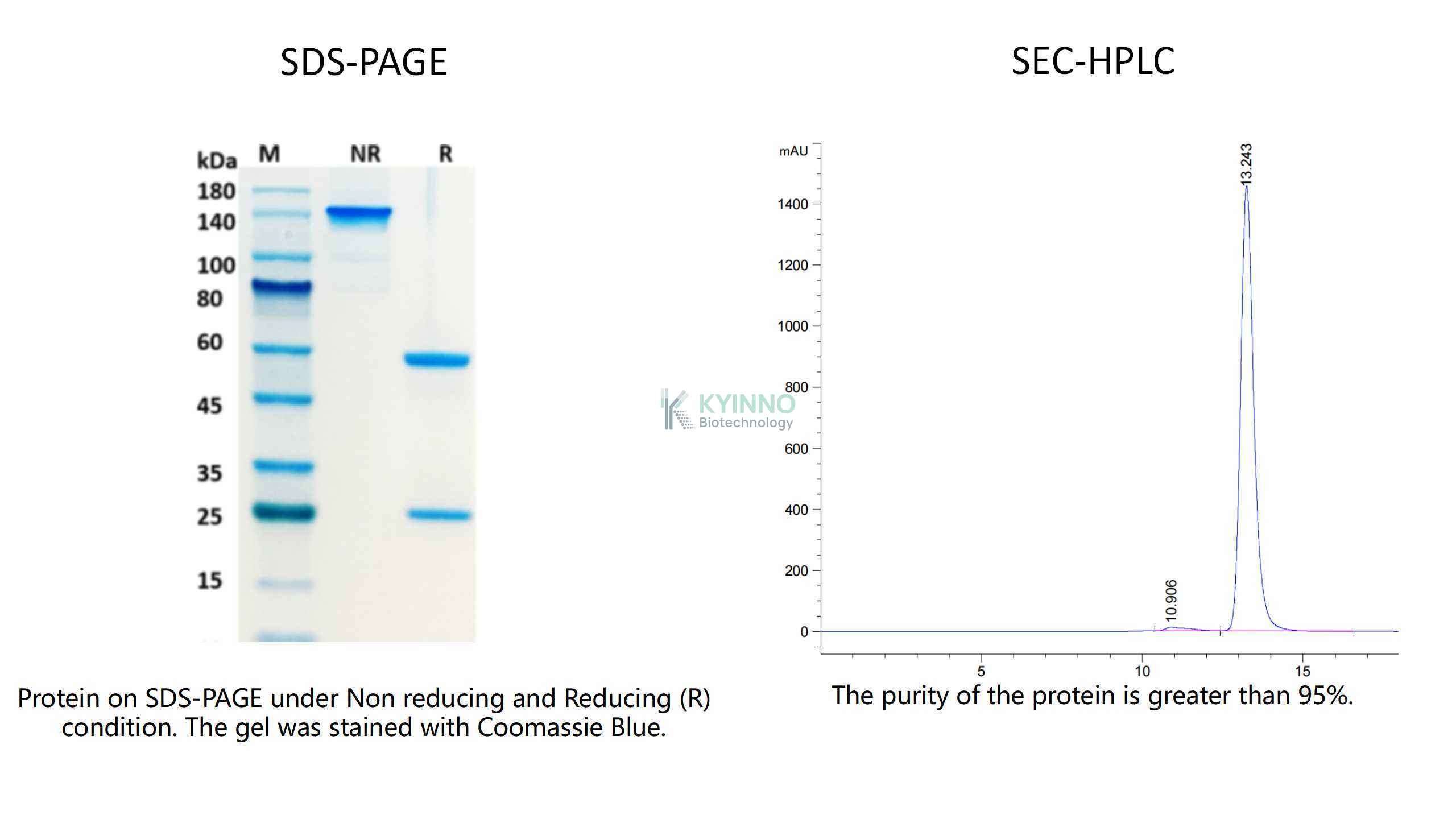
>95% by SDS-PAGE and SEC-HPLC
Validation:
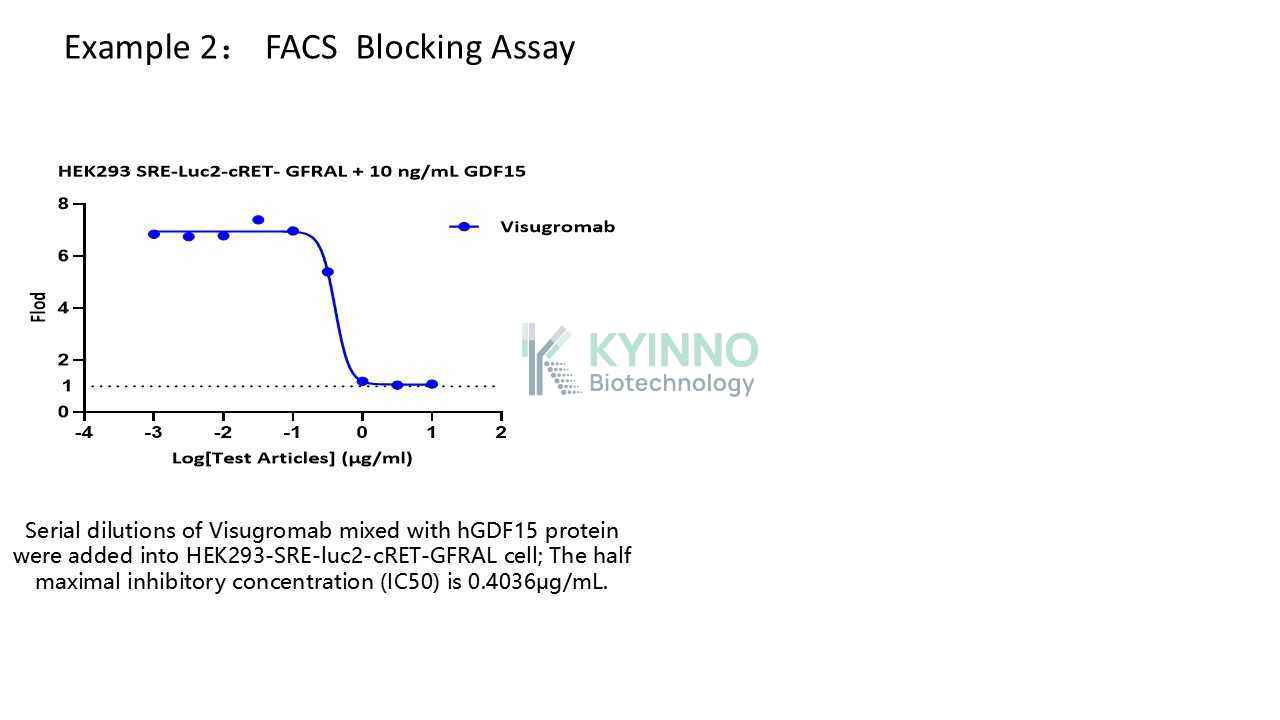
ELISA | FACS
Endotoxin Level:
<0.2 EU/mg as determined by the LAL method
Sterility:
0.2μm filtered
Storage:
It is recommended that the protein should be aliquoted for optimal storage. Avoid repeated freeze-thaw cycles.
Stability:
Stable for twelve months from date of receipt when stored at -20°C to -80°C;Stored at 2-8°C for one month without detectable loss of activity.

Characterization

Application

References

  1. Lyall, D. M. et al. Association of body mass index with cardiometabolic disease in the UK Biobank: a Mendelian randomization study. JAMA Cardiol. 2, 882–889 (2017).
  2. Fabbrini, E., Sullivan, S. & Klein, S. Obesity and nonalcoholic fatty liver disease: biochemical, metabolic, and clinical implications. Hepatology 51, 679–689 (2010).
  3. Friedman, S. L., Neuschwander-Tetri, B. A., Rinella, M. & Sanyal, A. J. Mechanisms of NAFLD development and therapeutic strategies. Nat. Med. 24, 908–922 (2018).