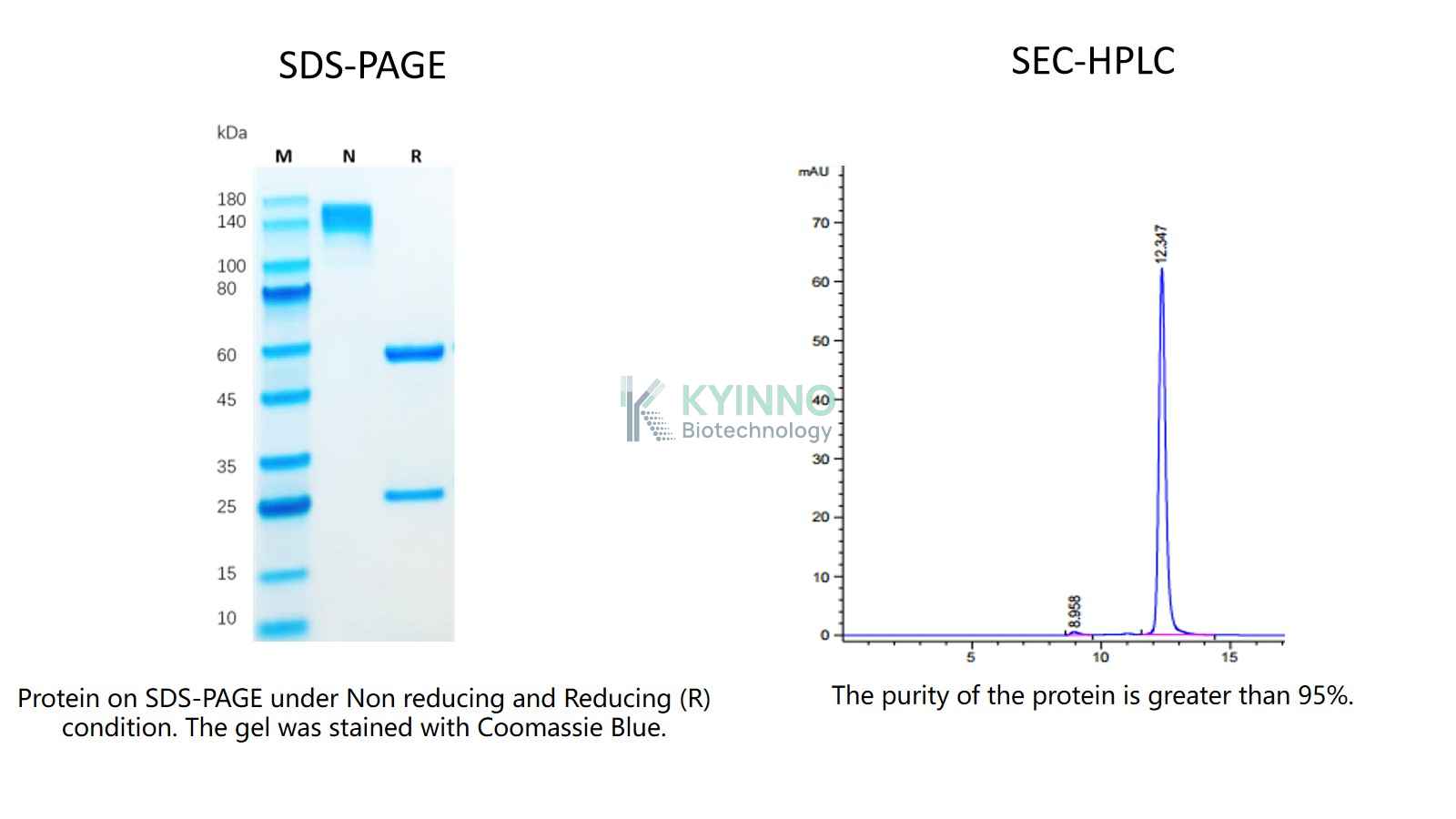
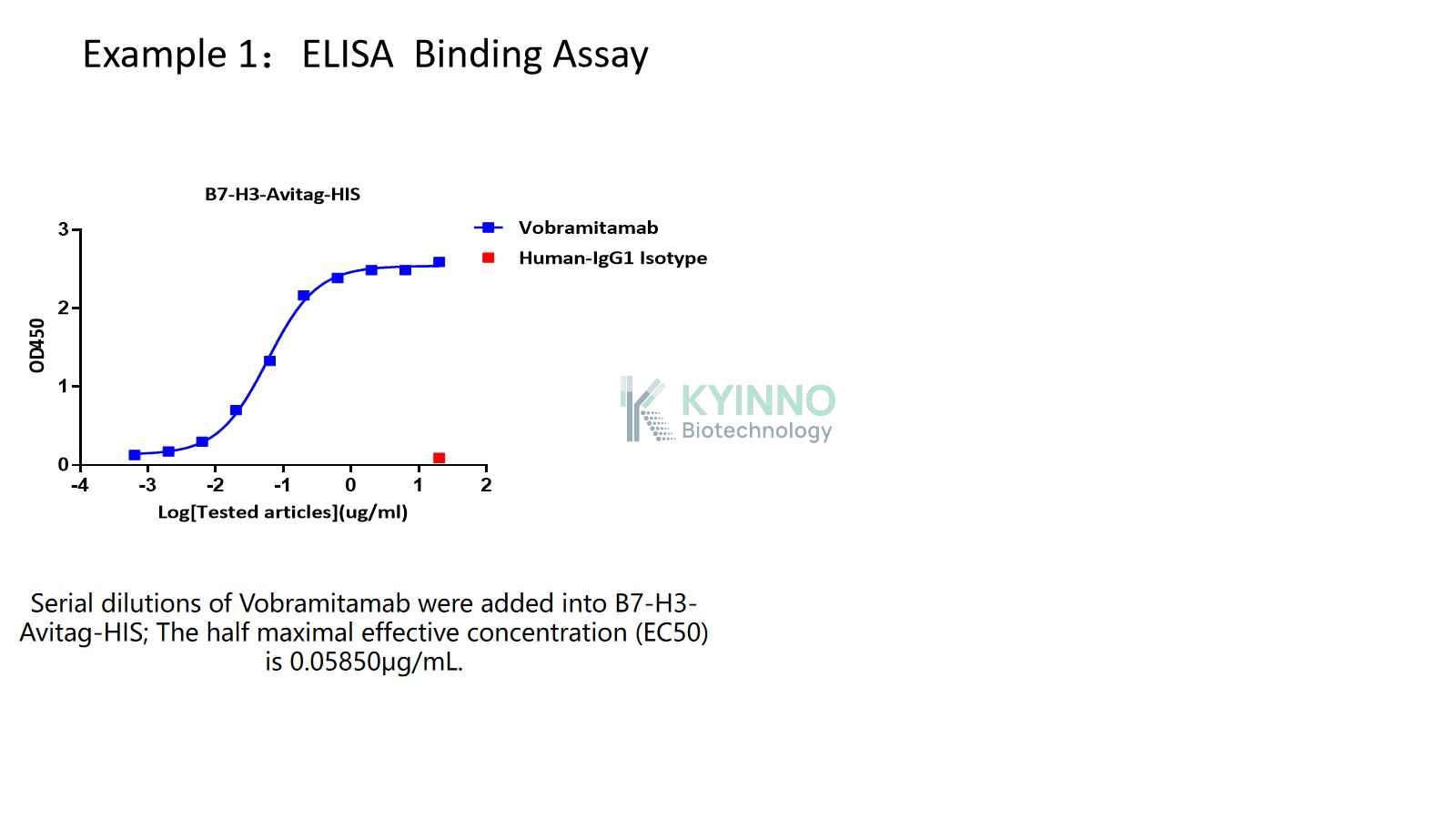
The potential antineoplastic drug vobramitamab duocarmazine is an antibody-drug conjugate (ADC) consisting of a humanized immunoglobulin G1 (IgG1)/kappa monoclonal antibody called vobamitamab that binds to the surface antigen B7-H3. B7-H3 is overexpressed on specific tumor cells and certain immune cells and has a negative regulatory effect on T-cell activation. Once the ADC is internalized by the B7-H3 expressing tumor cells, a cleavable vc linker releases the duocarmycin payload, which binds to the minor groove of DNA and induces cell death by alkylating adenine at the N3 position. B7-H3 expression is correlated with poor prognosis as it plays a significant role in immuno-evasion, tumor cell invasion, and metastasis while being minimally expressed in normal human tissues.